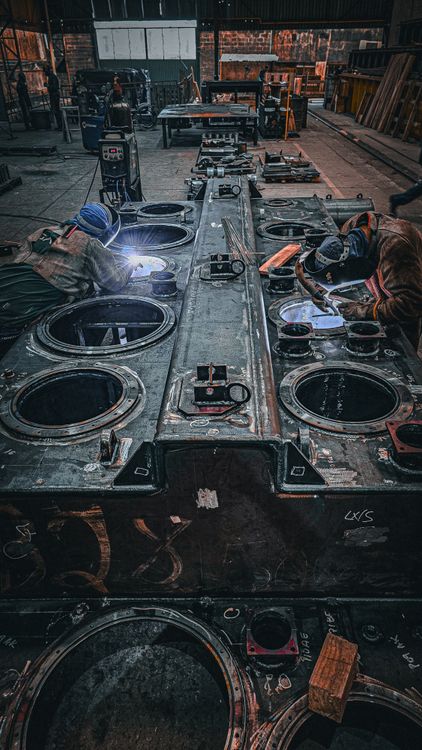
Northern Minnesota has a long history of work that depends on practical skill: mining, forestry, paper, manufacturing, equipment repair, construction, utilities, transportation and the businesses that support them. The mix is changing, but the need for people who can build, repair, troubleshoot, fabricate, maintain and operate equipment remains a defining part of the regional economy.
That matters for both sides of the hiring market. A job seeker with mechanical aptitude may have more options than a résumé search suggests. An employer may need to broaden the title of a job to reach candidates whose experience transfers from another industry. A maintenance technician from manufacturing, for example, may have relevant electrical, hydraulic and troubleshooting skills for a different plant. A farm, marine or powersports mechanic may have a foundation that transfers to fleet or industrial equipment with the right training.
Skills employers repeatedly value
Reliability is the baseline, but skilled roles add a second layer. Employers look for safe work habits, the ability to read instructions or prints, comfort with tools and measuring devices, troubleshooting, documentation and the judgment to know when to stop and ask a question. For experienced technical positions, certifications and licenses can be decisive. HVAC-R, electrical, welding, boiler, CDL and equipment credentials often allow a candidate to move faster through the hiring process.
Manufacturing employers also care about consistency. A candidate who has worked safely on a production schedule, understands quality standards and can explain how they handled downtime or defects can be attractive even if the machinery was different. The best résumé language is specific: name the equipment, processes, materials, tolerances, software or systems you used.
Why these jobs can be hard to fill
The challenge is pipeline. Experienced workers retire, younger workers have many career options, and some specialized skills take years to develop. Employers can respond by separating jobs into what must be known on day one and what can be taught. If every opening requires five years of direct experience on the exact machine, the candidate pool may be tiny. If the company can train a mechanically strong worker who already understands safety and measurement, the pool becomes more realistic.
Pay transparency helps too. Skilled workers are often employed already, so they are comparing an opportunity against a current paycheck, benefits, commute, shift and seniority. An advertisement that says only “competitive pay” gives them little reason to start a conversation. A real range, schedule and description of benefits can improve response quality.
For job seekers: translate your experience
Do not assume an employer will understand how your background transfers. If you maintained snowmobiles, boats, trucks or heavy equipment, list the systems you diagnosed. If you ran production equipment, state whether you performed setup, changeovers, inspection or minor maintenance. If you worked construction, identify the tools, materials, reading of plans, equipment operation and safety responsibilities you handled.
Also be realistic about location. Northern Minnesota opportunities can be spread across Grand Rapids, Hibbing, Virginia, Duluth, Brainerd, Bemidji and smaller communities. Telling a recruiter your maximum commute, preferred shift and minimum acceptable pay makes matching much faster.
For employers: recruit for capability, not only titles
A strong skilled-trades recruiting process looks for evidence of capability. Structured screening questions, practical examples and reference to certifications can uncover candidates whose previous title is different from your opening. When the talent pool is limited, that flexibility can be the difference between waiting months and hiring someone who can grow into the role.
218 Work Now helps Northern Minnesota employers and workers make those connections. The region still rewards people who know how to make things work — and businesses that know how to recognize transferable skill.